


World Wide Suppliers of Industrial Sapphire&Ruby Precision Parts
Sapphire to Metal for Fluidic,Metrology&Medical Components
ISO 9001:2019 Mfg&Managment Certified Companies
-
Home
-
Products

- ALL products
- Custom Sapphire Optical Lenses
- IPL Filters & Light Guides
- Sapphire Optical Prisms
- Precision Zirconia Ceramic Parts
- Single Crystal Silicon Carbide(SiC 6H/ 4H)
- Custom Optical Windows
- Optical Lens
- Sapphire Substrates & Wafers
- CMM Styli & Probe Tips
- Precision Sapphire Orifice Jewels
- Sapphire Windows
- Jewel Bearing
- Custom Sapphire Tubes & Rods
- Ruby, Sapphire & Ceramic Balls and Hemispheres
- Ruby Orifice Nozzles & Fittings
- Sapphire&Ruby Assembly Parts
- Sapphire & Ruby Nozzles
- Custom Shaped Sapphire Parts
-
Material
-
Applications
-
About Us
-
Resources
-
Contact Us
-
- Custom Sapphire Optical Lenses
- IPL Filters & Light Guides
- Sapphire Optical Prisms
- Precision Zirconia Ceramic Parts
- Single Crystal Silicon Carbide(SiC 6H/ 4H)
- Custom Optical Windows
- Optical Lens
- Sapphire Substrates & Wafers
- CMM Styli & Probe Tips
- Precision Sapphire Orifice Jewels
- Sapphire Windows
- Jewel Bearing
- Custom Sapphire Tubes & Rods
- Ruby, Sapphire & Ceramic Balls and Hemispheres
- Ruby Orifice Nozzles & Fittings
- Sapphire&Ruby Assembly Parts
- Sapphire & Ruby Nozzles
- Custom Shaped Sapphire Parts
Jewel Bearing
Sapphire & Ruby Jewel Bearings
Precision jewel bearings for meters, gauges, instruments, micro-mechanisms and low-friction pivot applications.
Microwork supplies custom sapphire and ruby jewel bearings for applications requiring low friction, wear resistance, dimensional stability and long service life.
Jewel bearings are commonly used with small metal pivots, shafts or conical tips in precision instruments and light-load mechanisms. Sapphire and ruby are selected because of their high hardness, polishability, wear resistance and ability to maintain stable bearing geometry over long operating periods.
Compared with metal bearing surfaces, sapphire and ruby jewel bearings can provide excellent wear performance, low friction and stable operation in small precision assemblies where lubrication may be limited or not preferred.
Typical Jewel Bearing Types
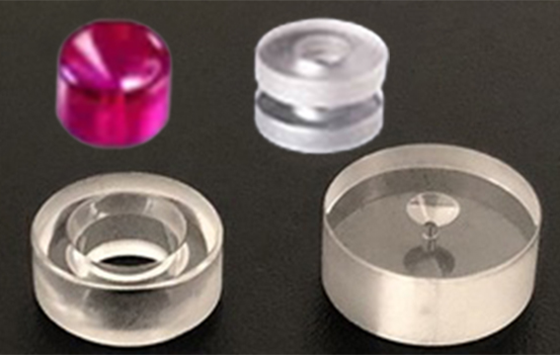
Common jewel bearing types may include:
• Ring jewels
• Vee jewels
• Pierced jewels
• Cap jewels
• Cup jewels
• Straight-hole jewel bearings
• Sapphire and ruby pivot bearings
• Custom jewel bearing geometries based on drawing
Custom hole shape, bearing geometry, radius, edge condition and surface finish can be reviewed according to your shaft, pivot and application requirements.
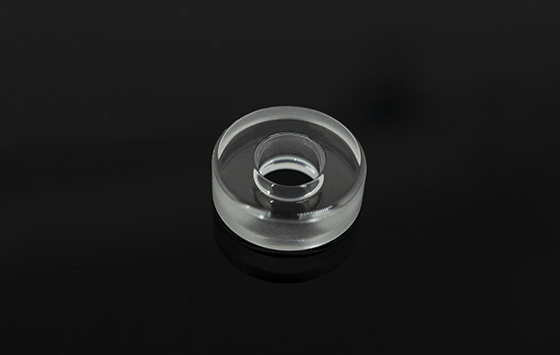
Ring Jewels
Ring jewels are straight-hole ruby or sapphire bearing components used to restrict lateral movement of a shaft or pivot. They require careful alignment, hole quality and edge finish for bearing applications.
Ring jewels may also be used in certain nozzle or micro-hole applications where the hole shape, edge condition and wear resistance are important.
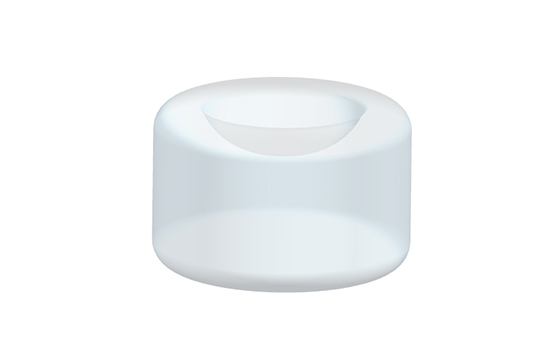
Vee Jewels
Vee jewels are commonly used in measuring instruments and light moving mechanisms. They are designed to work with conical pivots and provide low-friction support when the pivot contact surface is properly finished.
The radius, angle, surface finish and contact geometry of the Vee jewel should be controlled carefully because these factors directly affect friction, repeatability and wear performance.
Typical Applications
Common applications include:
• Gauges and meters
• Measuring instruments
• Ohmmeters, voltmeters and ammeters
• Compasses and timing mechanisms
• Relays, contacts and tuning mechanisms
• Rotational display devices
• Gas meters
• Microdosing pumps
• Watch and clock mechanisms
• Small precision pivots and low-friction mechanisms
• Selected nozzle or flow-control applications, subject to design review
Typical Specifications
Material: Synthetic ruby or sapphire / single-crystal Al2O3
Jewel type: Ring jewel, Vee jewel, pierced jewel, cap jewel, cup jewel or custom bearing geometry
Hole type: Straight hole, pierced hole or custom pivot geometry
Hole diameter: Custom hole size available upon drawing review
Outer diameter: Custom OD available according to mounting design
Thickness: Custom thickness available depending on bearing load and geometry
Radius / angle: Controlled according to bearing type and drawing requirement
Surface finish: Polished bearing surfaces available depending on application
Edge condition: Sharp, chamfered, rounded or polished edges available upon requirement
Application: Instrument bearing, pivot support, metering device, gauge, micro-mechanism or low-friction assembly
Engineering Considerations
When designing a sapphire or ruby jewel bearing, engineers should consider pivot diameter, contact geometry, load condition, shaft material, alignment, hole quality, radius control, surface finish and mounting method.
For ring jewels, hole diameter, hole straightness, edge condition and alignment are critical. Poor alignment or rough edges may increase friction, wear or pivot damage.
For Vee jewels, the pivot angle, contact radius, surface finish and load condition should be reviewed carefully. The pivot contact area should be properly polished to reduce friction and wear.
Sapphire and ruby provide excellent hardness and wear resistance, but sharp edges, excessive mounting force, poor alignment or unsuitable mating materials may lead to chipping, cracking or reduced bearing performance.
Information Needed for Quotation
To review a custom jewel bearing, please provide:
• Drawing or sketch
• Jewel type: ring, Vee, pierced, cap, cup or custom
• Material requirement: ruby or sapphire
• Hole diameter or pivot geometry
• Outer diameter and thickness
• Radius, angle or contact geometry requirement
• Surface finish requirement
• Edge condition requirement
• Shaft or pivot material
• Load and operating condition
• Quantity and inspection requirement
Need a Custom Sapphire or Ruby Jewel Bearing?
Send us your drawing, jewel type, material requirement, hole size, pivot geometry, surface finish and application conditions. We can help review manufacturability, bearing geometry and key technical risks before quotation.
Jewel Bearing
Sapphire & Ruby Jewel Bearings
Precision jewel bearings for meters, gauges, instruments, micro-mechanisms and low-friction pivot applications.
Microwork supplies custom sapphire and ruby jewel bearings for applications requiring low friction, wear resistance, dimensional stability and long service life.
Jewel bearings are commonly used with small metal pivots, shafts or conical tips in precision instruments and light-load mechanisms. Sapphire and ruby are selected because of their high hardness, polishability, wear resistance and ability to maintain stable bearing geometry over long operating periods.
Compared with metal bearing surfaces, sapphire and ruby jewel bearings can provide excellent wear performance, low friction and stable operation in small precision assemblies where lubrication may be limited or not preferred.
Typical Jewel Bearing Types
Common jewel bearing types may include:
• Ring jewels
• Vee jewels
• Pierced jewels
• Cap jewels
• Cup jewels
• Straight-hole jewel bearings
• Sapphire and ruby pivot bearings
• Custom jewel bearing geometries based on drawing
Custom hole shape, bearing geometry, radius, edge condition and surface finish can be reviewed according to your shaft, pivot and application requirements.
Ring Jewels
Ring jewels are straight-hole ruby or sapphire bearing components used to restrict lateral movement of a shaft or pivot. They require careful alignment, hole quality and edge finish for bearing applications.
Ring jewels may also be used in certain nozzle or micro-hole applications where the hole shape, edge condition and wear resistance are important.
Vee Jewels
Vee jewels are commonly used in measuring instruments and light moving mechanisms. They are designed to work with conical pivots and provide low-friction support when the pivot contact surface is properly finished.
The radius, angle, surface finish and contact geometry of the Vee jewel should be controlled carefully because these factors directly affect friction, repeatability and wear performance.
Typical Applications
Common applications include:
• Gauges and meters
• Measuring instruments
• Ohmmeters, voltmeters and ammeters
• Compasses and timing mechanisms
• Relays, contacts and tuning mechanisms
• Rotational display devices
• Gas meters
• Microdosing pumps
• Watch and clock mechanisms
• Small precision pivots and low-friction mechanisms
• Selected nozzle or flow-control applications, subject to design review
Typical Specifications
Material: Synthetic ruby or sapphire / single-crystal Al2O3
Jewel type: Ring jewel, Vee jewel, pierced jewel, cap jewel, cup jewel or custom bearing geometry
Hole type: Straight hole, pierced hole or custom pivot geometry
Hole diameter: Custom hole size available upon drawing review
Outer diameter: Custom OD available according to mounting design
Thickness: Custom thickness available depending on bearing load and geometry
Radius / angle: Controlled according to bearing type and drawing requirement
Surface finish: Polished bearing surfaces available depending on application
Edge condition: Sharp, chamfered, rounded or polished edges available upon requirement
Application: Instrument bearing, pivot support, metering device, gauge, micro-mechanism or low-friction assembly
Engineering Considerations
When designing a sapphire or ruby jewel bearing, engineers should consider pivot diameter, contact geometry, load condition, shaft material, alignment, hole quality, radius control, surface finish and mounting method.
For ring jewels, hole diameter, hole straightness, edge condition and alignment are critical. Poor alignment or rough edges may increase friction, wear or pivot damage.
For Vee jewels, the pivot angle, contact radius, surface finish and load condition should be reviewed carefully. The pivot contact area should be properly polished to reduce friction and wear.
Sapphire and ruby provide excellent hardness and wear resistance, but sharp edges, excessive mounting force, poor alignment or unsuitable mating materials may lead to chipping, cracking or reduced bearing performance.
Information Needed for Quotation
To review a custom jewel bearing, please provide:
• Drawing or sketch
• Jewel type: ring, Vee, pierced, cap, cup or custom
• Material requirement: ruby or sapphire
• Hole diameter or pivot geometry
• Outer diameter and thickness
• Radius, angle or contact geometry requirement
• Surface finish requirement
• Edge condition requirement
• Shaft or pivot material
• Load and operating condition
• Quantity and inspection requirement
Need a Custom Sapphire or Ruby Jewel Bearing?
Send us your drawing, jewel type, material requirement, hole size, pivot geometry, surface finish and application conditions. We can help review manufacturability, bearing geometry and key technical risks before quotation.

-
Chonghong Industries(Microwork)Ltd.
 1803,2006,Huachuang Building
 Honghuang 10th Road Jiangbei District
Chongqing China 400020
 0086 023 67937146
 0086 18623135040
 sales@ch-microwork.com
 13500373464