


World Wide Suppliers of Industrial Sapphire&Ruby Precision Parts
Sapphire to Metal for Fluidic,Metrology&Medical Components
ISO 9001:2019 Mfg&Managment Certified Companies
-
Home
-
Products

- ALL products
- Custom Sapphire Optical Lenses
- IPL Filters & Light Guides
- Sapphire Optical Prisms
- Precision Zirconia Ceramic Parts
- Single Crystal Silicon Carbide(SiC 6H/ 4H)
- Custom Optical Windows
- Optical Lens
- Sapphire Substrates & Wafers
- CMM Styli & Probe Tips
- Precision Sapphire Orifice Jewels
- Sapphire Windows
- Jewel Bearing
- Custom Sapphire Tubes & Rods
- Ruby, Sapphire & Ceramic Balls and Hemispheres
- Ruby Orifice Nozzles & Fittings
- Sapphire&Ruby Assembly Parts
- Sapphire & Ruby Nozzles
- Custom Shaped Sapphire Parts
-
Material
-
Applications
-
About Us
-
Resources
-
Contact Us
-
- Custom Sapphire Optical Lenses
- IPL Filters & Light Guides
- Sapphire Optical Prisms
- Precision Zirconia Ceramic Parts
- Single Crystal Silicon Carbide(SiC 6H/ 4H)
- Custom Optical Windows
- Optical Lens
- Sapphire Substrates & Wafers
- CMM Styli & Probe Tips
- Precision Sapphire Orifice Jewels
- Sapphire Windows
- Jewel Bearing
- Custom Sapphire Tubes & Rods
- Ruby, Sapphire & Ceramic Balls and Hemispheres
- Ruby Orifice Nozzles & Fittings
- Sapphire&Ruby Assembly Parts
- Sapphire & Ruby Nozzles
- Custom Shaped Sapphire Parts
Ruby Orifice Nozzles & Fittings
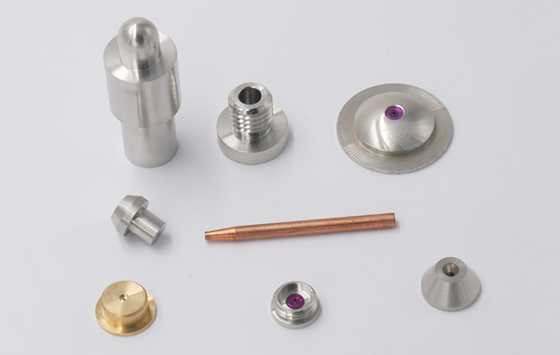
Precision ruby and sapphire nozzles, inserts and fittings for gas, liquid and flow control applications.
Microwork supplies custom ruby and sapphire orifice nozzles for applications requiring stable flow control, wear resistance, chemical resistance and long service life.
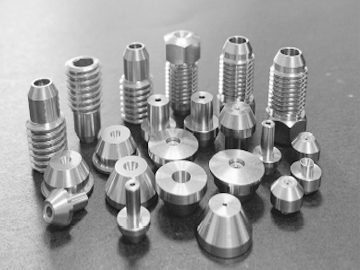
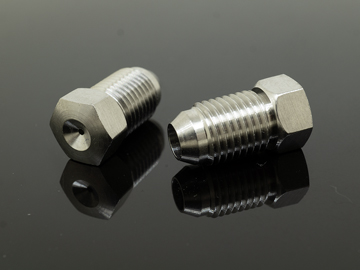
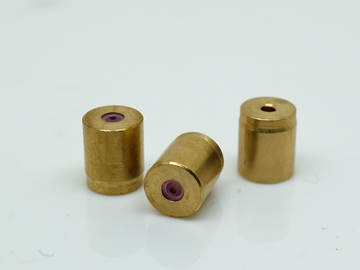
Ruby and sapphire orifice nozzles are used where a precise micro-hole, controlled inlet geometry and durable flow path are required. They can be supplied as loose nozzle inserts, press-in inserts, threaded fittings, mounted orifices, nozzle plates or custom sapphire-to-metal / ruby-to-metal assemblies.
Compared with metal nozzles, ruby and sapphire nozzles can provide better wear resistance, stable hole geometry, high surface finish and chemical stability. They are often selected for gas, air, liquid, analytical, medical, dispensing, cleaning, ink jet and water jet applications.
Typical Nozzle and Fitting Types
Available nozzle and fitting types may include:
• Ruby orifice nozzles
• Sapphire orifice nozzles
• Sharp-edge ruby orifice inserts
• Conical vee-entry orifice inserts
• Press-in orifice inserts
• Threaded orifice fittings
• Orifice plates
• Stainless steel or brass mounted ruby orifices
• Nozzles with integral stainless steel wire mesh filters
• Custom sapphire-to-metal or ruby-to-metal nozzle assemblies
Custom hole diameter, inlet geometry, fitting style, thread type, filter option and housing material can be reviewed according to your drawing and application conditions.
Typical Applications
Common applications include:
• Gas and air flow control
• Liquid flow control and metering
• Medical gas and fluidic systems
• Analytical instruments
• Pressure regulators
• Leak testing systems
• Ink jet and dispensing systems
• Wafer jet cutting and cleaning
• Precision cleaning nozzles
• Water jet cutting or micro water jet applications
• Hydraulic or high-pressure nozzle designs, subject to review
Typical Specifications
Material: Synthetic ruby or sapphire / single-crystal Al2O3
Nozzle type: Ruby nozzle, sapphire nozzle, orifice insert, threaded fitting, press-in insert, nozzle plate or custom assembly
Orifice geometry: Sharp-edge, straight-hole, vee-entry, conical entry, cup or custom geometry
Hole diameter: Custom micro-hole size available upon drawing review
Housing material: Stainless steel, brass or specified metal housing, subject to review
Mounting style: Loose insert, press-fit, threaded, bonded, plated or custom mounting
Filter option: Stainless steel wire mesh filter available upon requirement
Tolerance: Custom tolerance available upon drawing review
Surface finish: Fine ground or polished working surfaces available depending on application
Edge condition: Sharp edge, chamfered edge or rounded inlet available depending on flow and durability requirements
Application: Gas, liquid, medical, analytical, dispensing, cleaning, water jet or high-pressure flow control use
Sharp-Edge and Vee-Entry Orifices
Sharp-edge ruby orifices are often selected when a defined restriction and stable flow control are required. Edge condition, hole roundness, hole tolerance and surface finish are important for flow repeatability.
Conical vee-entry orifices may be selected when inlet geometry, pressure condition or durability requirements make a shaped inlet more suitable than a simple straight-hole design.
The best orifice geometry depends on the medium, pressure, flow target, filtration level, required repeatability and long-term wear conditions.
Press-In, Threaded and Mounted Nozzles
Press-in orifice inserts can be used when the ruby or sapphire element is installed directly into a valve, manifold or customer-supplied housing.
Threaded orifice fittings are suitable for systems where a replaceable, serviceable or mechanically retained nozzle is required. Stainless steel or brass housings can be reviewed according to pressure, chemical compatibility and system design.
Mounted nozzle assemblies require careful review of fit tolerance, concentricity, sealing method, bonding method, mounting stress and thermal expansion mismatch between ruby, sapphire and metal.
Water Jet and High-Pressure Applications
Ruby and sapphire orifice nozzles may be used in selected high-pressure water jet or micro water jet applications, depending on hole size, edge condition, pressure, water quality, filtration and operating conditions.
For water jet applications, orifice geometry, edge rounding, hole diameter, surface finish, inlet condition and material quality directly affect jet stability and service life. Abrasive media, particulate contamination and poor filtration can significantly reduce nozzle life.
High-pressure applications should always be reviewed based on the complete system design, including pressure, flow rate, medium, housing structure, sealing method and safety requirements.
Engineering Considerations
When designing a ruby or sapphire orifice nozzle, engineers should consider hole diameter, length-to-diameter ratio, inlet geometry, edge condition, surface finish, flow medium, pressure, temperature, filtration level, housing material and mounting method.
For very small holes, high aspect-ratio holes, extremely tight tolerances or high-pressure service, manufacturability and yield should be reviewed carefully. Clogging risk should also be considered, especially in systems with particles, insufficient filtration or high-cleanliness requirements.
For metal-mounted nozzles, the relationship between the jewel insert and the housing is critical. Excessive press-fit force, poor concentricity, sharp seating geometry or thermal expansion mismatch may cause cracking, leakage, chipping or unstable flow.
For applications requiring stable flow measurement or repeatable restriction, the hole geometry, edge condition and inspection method should be specified clearly before production.
Ruby vs Sapphire Nozzles
Ruby and sapphire are both single-crystal aluminum oxide materials with excellent hardness, wear resistance and chemical stability. Ruby is aluminum oxide doped with chromium, giving it the red color, while sapphire is typically colorless aluminum oxide.
In many nozzle applications, ruby and sapphire can perform similarly. The selection may depend on customer specification, inspection method, visual identification, availability, assembly design and operating conditions.
Information Needed for Quotation
To review a ruby or sapphire orifice nozzle, please provide:
• Drawing or sketch
• Material requirement: ruby or sapphire
• Orifice diameter and tolerance
• Nozzle type: insert, press-in, threaded, plate, mounted or custom assembly
• Orifice geometry: straight, sharp-edge, vee-entry, conical or custom
• Housing material and mounting method
• Working pressure and temperature
• Flow medium: gas, air, water, solvent, ink or other liquid
• Filtration requirement
• Surface finish and edge condition requirement
• Quantity and inspection requirement
Need a Custom Ruby Orifice Nozzle?
Send us your drawing, orifice diameter, nozzle style, flow medium, pressure, filter requirement and mounting method. We can help review manufacturability, material suitability and key technical risks before quotation.
Ruby Orifice Nozzles & Fittings
Precision ruby and sapphire nozzles, inserts and fittings for gas, liquid and flow control applications.
Microwork supplies custom ruby and sapphire orifice nozzles for applications requiring stable flow control, wear resistance, chemical resistance and long service life.
Ruby and sapphire orifice nozzles are used where a precise micro-hole, controlled inlet geometry and durable flow path are required. They can be supplied as loose nozzle inserts, press-in inserts, threaded fittings, mounted orifices, nozzle plates or custom sapphire-to-metal / ruby-to-metal assemblies.
Compared with metal nozzles, ruby and sapphire nozzles can provide better wear resistance, stable hole geometry, high surface finish and chemical stability. They are often selected for gas, air, liquid, analytical, medical, dispensing, cleaning, ink jet and water jet applications.
Typical Nozzle and Fitting Types
Available nozzle and fitting types may include:
• Ruby orifice nozzles
• Sapphire orifice nozzles
• Sharp-edge ruby orifice inserts
• Conical vee-entry orifice inserts
• Press-in orifice inserts
• Threaded orifice fittings
• Orifice plates
• Stainless steel or brass mounted ruby orifices
• Nozzles with integral stainless steel wire mesh filters
• Custom sapphire-to-metal or ruby-to-metal nozzle assemblies
Custom hole diameter, inlet geometry, fitting style, thread type, filter option and housing material can be reviewed according to your drawing and application conditions.
Typical Applications
Common applications include:
• Gas and air flow control
• Liquid flow control and metering
• Medical gas and fluidic systems
• Analytical instruments
• Pressure regulators
• Leak testing systems
• Ink jet and dispensing systems
• Wafer jet cutting and cleaning
• Precision cleaning nozzles
• Water jet cutting or micro water jet applications
• Hydraulic or high-pressure nozzle designs, subject to review
Typical Specifications
Material: Synthetic ruby or sapphire / single-crystal Al2O3
Nozzle type: Ruby nozzle, sapphire nozzle, orifice insert, threaded fitting, press-in insert, nozzle plate or custom assembly
Orifice geometry: Sharp-edge, straight-hole, vee-entry, conical entry, cup or custom geometry
Hole diameter: Custom micro-hole size available upon drawing review
Housing material: Stainless steel, brass or specified metal housing, subject to review
Mounting style: Loose insert, press-fit, threaded, bonded, plated or custom mounting
Filter option: Stainless steel wire mesh filter available upon requirement
Tolerance: Custom tolerance available upon drawing review
Surface finish: Fine ground or polished working surfaces available depending on application
Edge condition: Sharp edge, chamfered edge or rounded inlet available depending on flow and durability requirements
Application: Gas, liquid, medical, analytical, dispensing, cleaning, water jet or high-pressure flow control use
Sharp-Edge and Vee-Entry Orifices
Sharp-edge ruby orifices are often selected when a defined restriction and stable flow control are required. Edge condition, hole roundness, hole tolerance and surface finish are important for flow repeatability.
Conical vee-entry orifices may be selected when inlet geometry, pressure condition or durability requirements make a shaped inlet more suitable than a simple straight-hole design.
The best orifice geometry depends on the medium, pressure, flow target, filtration level, required repeatability and long-term wear conditions.
Press-In, Threaded and Mounted Nozzles
Press-in orifice inserts can be used when the ruby or sapphire element is installed directly into a valve, manifold or customer-supplied housing.
Threaded orifice fittings are suitable for systems where a replaceable, serviceable or mechanically retained nozzle is required. Stainless steel or brass housings can be reviewed according to pressure, chemical compatibility and system design.
Mounted nozzle assemblies require careful review of fit tolerance, concentricity, sealing method, bonding method, mounting stress and thermal expansion mismatch between ruby, sapphire and metal.
Water Jet and High-Pressure Applications
Ruby and sapphire orifice nozzles may be used in selected high-pressure water jet or micro water jet applications, depending on hole size, edge condition, pressure, water quality, filtration and operating conditions.
For water jet applications, orifice geometry, edge rounding, hole diameter, surface finish, inlet condition and material quality directly affect jet stability and service life. Abrasive media, particulate contamination and poor filtration can significantly reduce nozzle life.
High-pressure applications should always be reviewed based on the complete system design, including pressure, flow rate, medium, housing structure, sealing method and safety requirements.
Engineering Considerations
When designing a ruby or sapphire orifice nozzle, engineers should consider hole diameter, length-to-diameter ratio, inlet geometry, edge condition, surface finish, flow medium, pressure, temperature, filtration level, housing material and mounting method.
For very small holes, high aspect-ratio holes, extremely tight tolerances or high-pressure service, manufacturability and yield should be reviewed carefully. Clogging risk should also be considered, especially in systems with particles, insufficient filtration or high-cleanliness requirements.
For metal-mounted nozzles, the relationship between the jewel insert and the housing is critical. Excessive press-fit force, poor concentricity, sharp seating geometry or thermal expansion mismatch may cause cracking, leakage, chipping or unstable flow.
For applications requiring stable flow measurement or repeatable restriction, the hole geometry, edge condition and inspection method should be specified clearly before production.
Ruby vs Sapphire Nozzles
Ruby and sapphire are both single-crystal aluminum oxide materials with excellent hardness, wear resistance and chemical stability. Ruby is aluminum oxide doped with chromium, giving it the red color, while sapphire is typically colorless aluminum oxide.
In many nozzle applications, ruby and sapphire can perform similarly. The selection may depend on customer specification, inspection method, visual identification, availability, assembly design and operating conditions.
Information Needed for Quotation
To review a ruby or sapphire orifice nozzle, please provide:
• Drawing or sketch
• Material requirement: ruby or sapphire
• Orifice diameter and tolerance
• Nozzle type: insert, press-in, threaded, plate, mounted or custom assembly
• Orifice geometry: straight, sharp-edge, vee-entry, conical or custom
• Housing material and mounting method
• Working pressure and temperature
• Flow medium: gas, air, water, solvent, ink or other liquid
• Filtration requirement
• Surface finish and edge condition requirement
• Quantity and inspection requirement
Need a Custom Ruby Orifice Nozzle?
Send us your drawing, orifice diameter, nozzle style, flow medium, pressure, filter requirement and mounting method. We can help review manufacturability, material suitability and key technical risks before quotation.

-
Chonghong Industries(Microwork)Ltd.
 1803,2006,Huachuang Building
 Honghuang 10th Road Jiangbei District
Chongqing China 400020
 0086 023 67937146
 0086 18623135040
 sales@ch-microwork.com
 13500373464